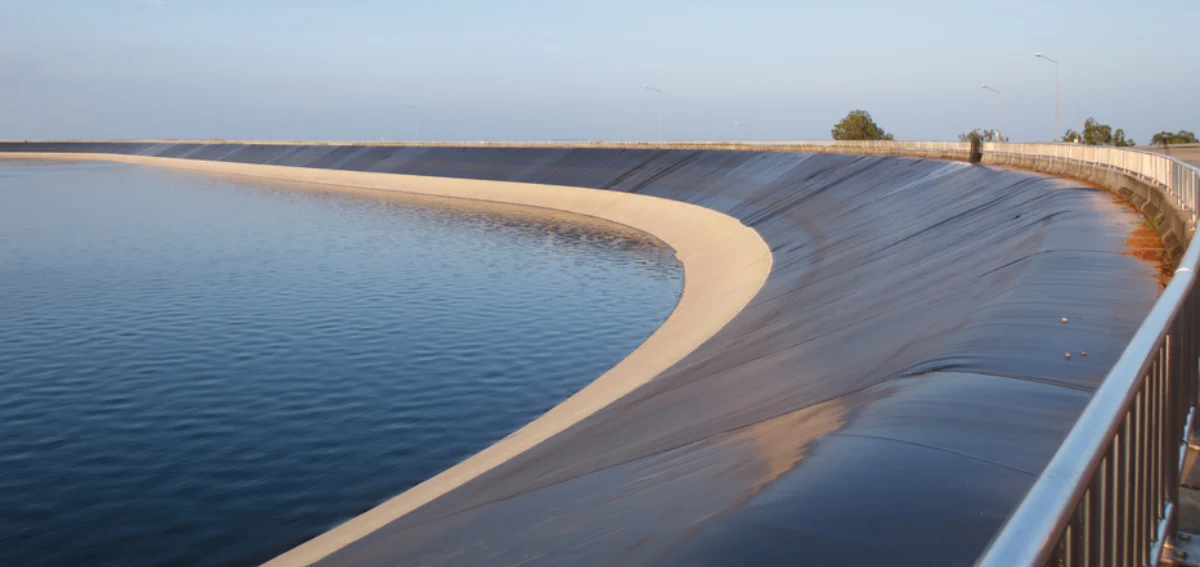
Reservoir waterproofing is a crucial step in ensuring the long-term functionality and sustainability of water storage systems. Whether for agricultural irrigation, municipal water supply, or industrial use, maintaining a reliable reservoir is essential to prevent water loss, protect against contamination, and extend the structure’s lifespan
Reservoir waterproofing techniques
Reservoir waterproofing is critical to prevent water loss through seepage, protect structural integrity, and ensure the long-term sustainability of water storage systems. The choice of technique depends on the reservoir type (earthen, concrete, etc.), size, location, and intended use. Below are the major waterproofing techniques used in reservoirs:
1. Geomembranes (Synthetic Liners)
- HDPE (High-Density Polyethylene)
- PVC (Polyvinyl Chloride)
- LLDPE (Linear Low-Density Polyethylene)
- EPDM (Ethylene Propylene Diene Monomer)
2. Clay Liners (Natural Sealants)
- Compacted clay liners
- Bentonite clay (especially in GCLs – Geosynthetic Clay Liners)
3. Concrete and Cementitious Waterproofing
- Concrete lining with water-stopping additives
- Crystalline waterproofing admixtures (e.g., Xypex)
- Cement-based coatings
4. Bituminous Coatings and Membranes
- Bitumen-based roll membranes
- Cold or hot-applied bitumen coatings
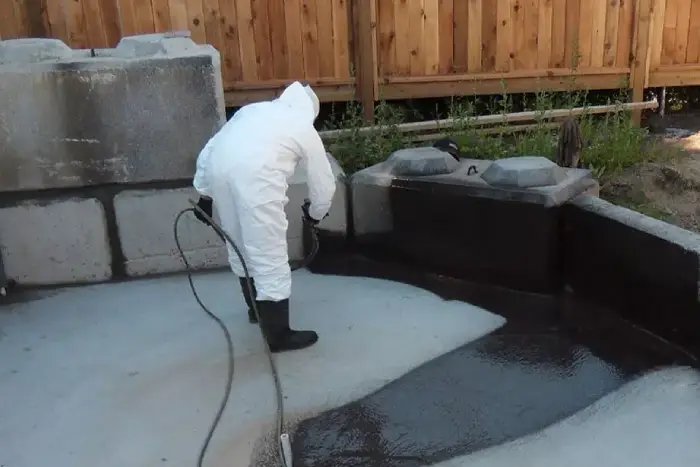
5. Polyurethane and Polyurea Coatings
- Spray-applied or roller-applied liquid membranes
- Create seamless, elastic waterproofing layer
6. Shotcrete with Waterproof Additives
- Concrete is sprayed onto surfaces to form a waterproof shell
- Often includes admixtures for added water resistance
7. Hybrid Systems (Composite Linings)
Combine multiple techniques (e.g., clay + geomembrane or geomembrane + geotextile) for enhanced performance
8. Surface Treatments and Sealers
- Silicate or silane-siloxane sealers that penetrate concrete
- Used in small reservoirs or to repair minor leakage
Benefits of reservoir waterproofing
Waterproofing a reservoir offers numerous benefits—both immediate and long-term—across technical, economic, and environmental dimensions. Here are the key benefits of reservoir waterproofing:
1. Prevents Water Loss
- Reduces seepage into the ground, preserving valuable water—especially critical in arid regions or during drought.
- Increases water retention efficiency, ensuring more water is available for irrigation, industrial, or domestic use.
2. Protects Structural Integrity
- Prevents erosion in earthen reservoirs caused by continuous water movement.
- Minimizes cracks and damage in concrete reservoirs by blocking water ingress, which can lead to freeze-thaw damage or corrosion of reinforcement.
3. Reduces Maintenance and Repair Costs
- A properly waterproofed reservoir is less likely to develop leaks, cracks, or failures.
- Minimizes the need for frequent repairs, downtime, or water refilling, which can be costly over time.
4. Improves Water Quality
- Prevents contamination from soil leachates or underground pollutants seeping into the reservoir.
- Helps maintain cleaner water for drinking, agriculture, or industrial use, especially when certified waterproofing materials are used.
5. Enhances Reservoir Lifespan
- Waterproofing protects materials from chemical and physical degradation.
- Ensures the reservoir remains functional for decades instead of years, maximizing return on investment.
6. Environmental Protection
- Prevents waterlogging and ground instability around the reservoir perimeter.
- Reduces risk of soil salinization in nearby farmlands due to seepage.
7. Increases Operational Efficiency
- Keeps water levels stable and predictable, which is crucial for planned distribution in irrigation, hydropower, or municipal supply systems.
- Helps in accurate water accounting and monitoring.
8. Compliance with Regulations
- Many governments require waterproofing measures for public safety and environmental protection.
- Ensures compliance with industry standards and avoids penalties or shutdowns.
9. Supports Modern Engineering Solutions
- Enables integration of smart monitoring sensors and automated water control systems, which work best in leak-proof environments.
Best practices for reservoir waterproofing
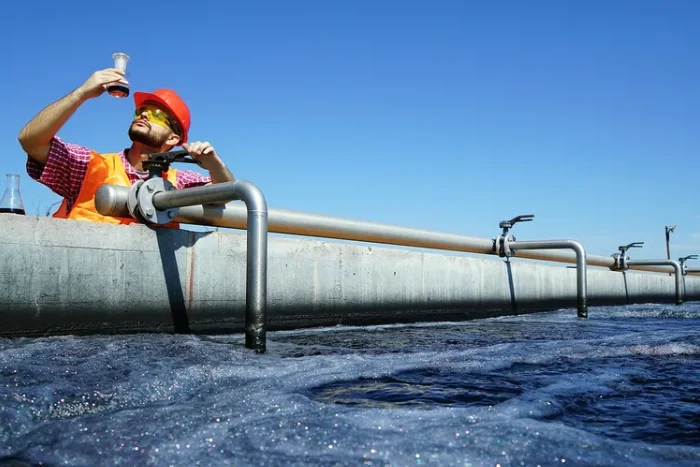
Best practices for reservoir waterproofing start with selecting the right materials based on the reservoir type and local conditions. For earthen reservoirs, geomembranes (like HDPE) or bentonite clay liners are effective due to their low permeability and flexibility. In concrete reservoirs, polyurethane coatings, crystalline waterproofing, or cementitious layers provide strong protection against leaks and structural damage. It’s important to prepare the surface properly—leveling, cleaning, and repairing any cracks—before applying waterproofing systems to ensure maximum adhesion and effectiveness.
Additionally, combining systems—such as using a geomembrane with a geotextile layer—can enhance durability and performance. Quality control during installation is critical, including sealing seams correctly and testing for leaks before filling. Regular inspection and maintenance extend the life of the waterproofing system and help catch early signs of failure. Ensuring compliance with safety and environmental standards also protects both the water source and surrounding ecosystems.
Reservoir waterproofing regulations and standards
Reservoir waterproofing is governed by regulations and standards that ensure safety, durability, water quality, and environmental protection. These standards vary by country but generally follow international best practices. Key guidelines focus on material quality, installation methods, structural integrity, and testing.
ASTM Standards (U.S.):
o ASTM D5885: Testing geomembrane seams
o ASTM D5321: Geosynthetic interface friction
o ASTM D7176: Installation procedures for geomembranes
ISO Standards (International):
o ISO 10318: Terminology for geosynthetics
o ISO 13719: Testing of geomembrane joints
o ISO 9001: Quality management during installation
NSF/ANSI 61 (U.S.):
o Ensures that waterproofing materials are safe for contact with potable (drinking) water
European Standards (EN):
o EN 13361: Geosynthetic barriers for water reservoirs
o EN 13967: Bitumen sheets for waterproofing
o EN 1504: Concrete repair and protection
Environmental Regulations:
o Must prevent seepage to protect groundwater and avoid soil contamination
o In many countries, Environmental Impact Assessments (EIAs) are required for new reservoir construction
Geosynthetics used in reservoir waterproofing
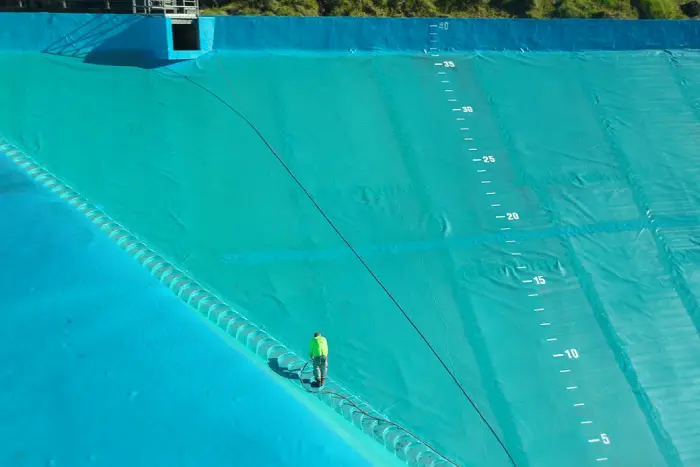
Geosynthetic products are widely used in reservoir waterproofing due to their durability, flexibility, and impermeability. The most common types include geomembrane sheets, geotextiles, geosynthetic clay liners (GCLs), and geogrids. Geomembranes, such as HDPE (High-Density Polyethylene), are often the primary waterproofing barrier, providing excellent resistance to punctures, UV rays, and chemicals. GCLs, which consist of bentonite clay sandwiched between geotextiles, swell when wet to form a low-permeability layer, making them especially effective in earthen reservoirs.
Geotextiles are typically used as protective or filtration layers, placed above or below geomembranes to prevent damage from sharp objects and distribute stress. Geogrids may be used to reinforce slopes and improve the stability of reservoir walls. These materials are often combined in composite lining systems for enhanced performance. Their use not only improves water retention but also helps comply with environmental standards by preventing seepage and groundwater contamination.
Common issues in reservoir waterproofing
Common issues in reservoir waterproofing include material failure, poor installation, and environmental damage. One of the most frequent problems is puncturing or tearing of geomembranes due to sharp objects, inadequate subgrade preparation, or heavy equipment. Improper seam welding or bonding can also lead to leaks, especially in large reservoirs where multiple sheets are joined. In concrete reservoirs, cracks and joint failures caused by thermal expansion, ground movement, or poor construction can compromise waterproofing layers.
Other issues include UV degradation of exposed materials, chemical attack from stored water or soil, and inadequate maintenance, which allows small problems to grow into major failures. Incorrect material selection for the site conditions—such as using non-UV-resistant liners in sunny climates—can also reduce the lifespan of the waterproofing system. Regular inspection, quality installation, and proper design are key to preventing these issues.
Environmental impact of reservoir waterproofing
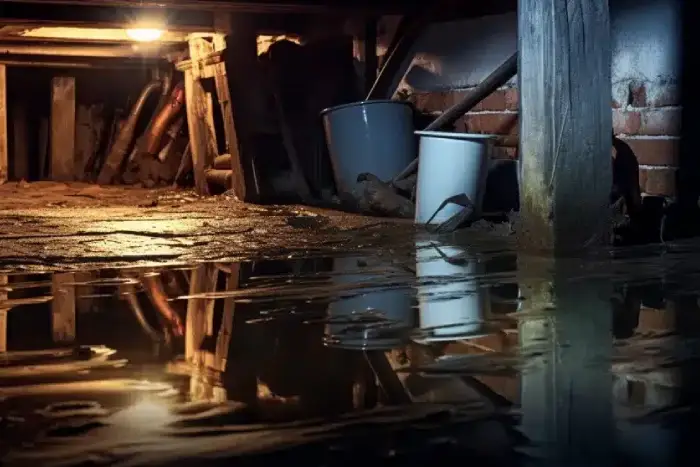
The environmental impact of reservoir waterproofing can be both positive and negative, depending on the materials and methods used.
Positive:
- Prevents water loss through seepage, conserving valuable water resources.
- Protects groundwater from contamination by creating a barrier between stored water and underlying soils.
- Reduces soil erosion and waterlogging in surrounding areas.
- Supports ecosystem sustainability by ensuring stable water availability in agricultural and wildlife regions.
Negative:
- Synthetic materials like HDPE or PVC may release pollutants during manufacturing or degradation if not properly managed.
- Improper disposal of old liners or chemical coatings can harm soil and water bodies.
- Disruption of natural water infiltration patterns can affect local groundwater recharge in some cases.
FAQ
How do I know if my reservoir needs waterproofing?
You may need reservoir waterproofing if you notice unexplained water loss, damp surroundings, or visible cracks and leaks.
How long does the waterproofing process take?
The waterproofing process typically takes a few days to a few weeks, depending on the reservoir size and method used.
How often should reservoirs be inspected for waterproofing issues?
Reservoirs should be inspected for waterproofing issues at least once a year, or more frequently after extreme weather events.
What are the costs associated with reservoir waterproofing?
The costs of reservoir waterproofing vary widely, ranging from $1 to $5 per square foot, depending on materials, size, and installation complexity.
Are there any environmental considerations with reservoir waterproofing?
Yes, environmental considerations include selecting eco-friendly materials, ensuring proper disposal of old liners, and preventing disruption to natural water infiltration and groundwater recharge.