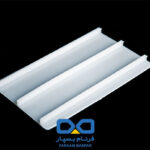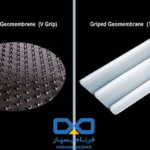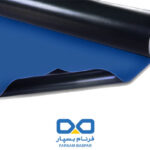

A textured geomembrane has a patterned surface to increase friction and stability. It is used in landfill liners, slope stabilization, and containment systems. The texture prevents slippage and improves barrier performance.
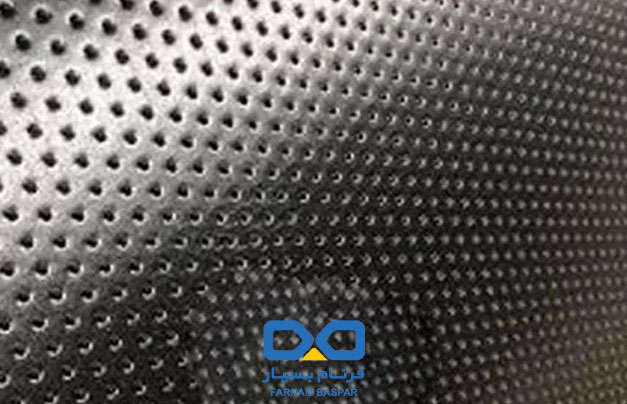
Textured geomembranes are a type of geosynthetic material used in various civil engineering and environmental applications. On this page, we provide you with complete information about textured geomembrane and its specifications.
The cost of textured geomembranes per square foot can vary depending on the specific application and requirements. You can contact Farnam Baspar to get the price of textured geomembranes in Iran.
Here are some common specifications of textured geomembranes:
Here are some of the most commonly used ones:
Farnam Baspar, with more than 20 years of experience, is the leading textured geomembrane manufacturer in Iran, offering its products at the best quality and price in global markets.
Frequently asked questions
How strong is textured geomembrane?
Typically, textured geomembranes are made from high-density polyethylene (HDPE) or linear low-density polyethylene (LLDPE) resin, both of which have excellent mechanical properties, including high tensile strength and tear resistance. These geomembranes feature a textured surface on one or both sides, providing increased friction and shear resistance, making them ideal for slope stabilization and other applications where high friction is required.
When should textured geomembrane be used?
Here are some examples of situations where they may be used:
How is textured geomembrane installed?
Here are the general steps involved in each method:
How do I choose the right textured geomembrane for my project?
Selecting the right textured geomembrane for your project depends on the application type, geotechnical conditions, and design requirements. The key factors include:
Textured geomembranes are specifically designed with an embossed surface that provides higher frictional resistance, making them ideal for projects involving steep slopes, embankments, and retaining structures.
Textured geomembranes must be resistant to UV exposure, temperature fluctuations, and chemical agents commonly found in geotechnical and environmental projects.
All products should be tested and verified in compliance with recognized standards.
In summary, choosing the right textured geomembrane requires careful consideration of slope stability, polymer type, appropriate thickness, and site conditions, supported by proper engineering consultation.
What is the lead time for textured geomembrane?
The lead time for Farnam Baspar’s textured geomembranes depends on several factors:
Standard thicknesses (such as 1.5 mm and 2.0 mm) are often available in stock and can typically be delivered within a few business days.
For projects requiring non-standard thicknesses, special widths, or unique specifications, custom production is required. In such cases, lead times generally range from 3 to 6 weeks.
Large-scale orders may require additional time for production planning and logistics coordination.
For international projects, sea or land freight and customs clearance can extend the overall delivery timeline.
To avoid potential delays, it is recommended to place orders for textured geomembranes several weeks before the planned installation date.
Do you offer a warranty on textured geomembrane?
Yes, Farnam Baspar’s textured geomembranes are supplied with a manufacturer’s quality warranty, reflecting our commitment to premium raw materials and production in compliance with international standards.
Depending on project type and environmental conditions, the warranty period typically ranges from 5 to 10 years.
Issues arising from improper installation or non-standard operational conditions are not covered under the warranty.
Farnam Baspar’s textured geomembranes are tested and verified in accordance with global standards such as GM13 and GRI-GM17.
In summary, Farnam Baspar’s warranty for textured geomembranes ensures material quality, surface integrity, and long-term performance, providing confidence for owners and contractors alike.
Are your textured geomembrane sheets resistant to chemicals?
Yes, Farnam Baspar’s textured geomembranes, manufactured from HDPE or LLDPE, provide excellent chemical resistance.
These products are resistant to most acids, alkalis, salts, and chemical compounds typically encountered in soil and groundwater.
The embossed (textured) surface is designed solely to enhance friction and slope stability and does not affect the chemical resistance or impermeability of the geomembrane.
Textured geomembranes are widely used in landfills, industrial ponds, evaporation basins, and steep slopes, where both mechanical stability and chemical durability are critical.
For continuous exposure to strong organic solvents or highly aggressive chemicals, a chemical compatibility test is recommended prior to installation.
In summary, Farnam Baspar’s textured geomembranes combine outstanding chemical resistance with enhanced mechanical stability, making them a reliable choice for long-term geotechnical and environmental applications.
How long do Farnam Baspar’s textured geomembrane last?
Farnam Baspar’s textured geomembranes, manufactured from high-quality HDPE or LLDPE using advanced production technology, are designed for a long service life.
Depending on polymer type, thickness, and operational conditions, the service life of textured geomembranes can exceed 50 to 100 years.
The black geomembrane layer, enhanced with stabilizing additives, provides resistance against UV radiation, oxidation, and temperature fluctuations.
The textured surface is engineered to maintain its frictional characteristics over time, ensuring slope stability and structural integrity throughout the project’s lifespan.
These products remain resistant to most chemical compounds typically found in soil and groundwater, preserving their impermeability and barrier function.
In conclusion, Farnam Baspar’s textured geomembranes provide long-term durability and reliable performance, making them a trusted choice for demanding geotechnical and environmental applications.
Is special equipment required for installation textured geomembrane?
Yes, the installation of textured geomembranes requires the use of specialized thermal welding equipment to ensure watertight seams and to maintain the performance of the textured surface.
The subgrade must be properly leveled, compacted, and free of sharp objects to prevent damage to the geomembrane.
Due to the textured surface, welding requires precise adjustments of temperature and pressure compared to smooth geomembranes to ensure proper seam integrity.
Farnam Baspar provides experienced installation teams who carry out textured geomembrane installation in full compliance with international guidelines.
In summary, installing textured geomembranes requires not only specialized welding equipment but also the expertise of skilled crews to guarantee long-term watertightness and durability.
What is your return policy for textured geomembrane products?
Farnam Baspar manufactures its textured geomembranes in compliance with international standards and guarantees their quality. To ensure transparency and customer confidence, our return policy for these products is as follows:
If a textured geomembrane is found to have a manufacturing defect or does not meet the declared technical specifications, customers may return the product. After technical inspection, it will either be replaced or refunded.
Custom or special orders (such as non-standard thicknesses or dimensions) cannot be returned due to their tailored nature, unless a manufacturing defect is confirmed.
In cases of verified manufacturing defects, Farnam Baspar will cover all transportation and replacement costs. For other return requests, logistics expenses are the responsibility of the customer.
This policy is designed to ensure product quality, build customer trust, and provide fairness for both the manufacturer and the end user.
How is textured geomembrane shipped, and what are the delivery options?
Farnam Baspar’s textured geomembranes are packaged and shipped to ensure complete protection during transportation and safe delivery to the customer.
Textured geomembrane rolls are tightly wound and covered with durable plastic wrapping to protect them from dust, moisture, and UV exposure.
With extensive experience in both domestic and international projects, Farnam Baspar’s logistics team ensures the most reliable and efficient shipping and delivery solutions tailored to project requirements.
In summary, Farnam Baspar’s textured geomembranes are delivered safely, reliably, and in compliance with international shipping standards.